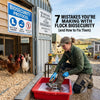
7 Mistakes You're Making with Flock Biosecurity (and How to Fix Them)
8 min reading time
8 min reading time
Reading time: 8 minutes
Keeping a backyard flock is one of the most rewarding parts of life here in North Texas, but it comes with a big responsibility: keeping those birds safe from invisible threats. In this guide, we’re diving into the most common biosecurity blunders, from skipping quarantine to sharing tools with neighbors, and providing simple, actionable fixes to protect your birds. You'll learn how to spot early signs of chicken diseases and treatment options, plus the gold standards for sanitation that keep a farm running smoothly.
Hey there, neighbor! If you’ve spent any time around the coop, you know that our feathered friends are tougher than they look, but they aren't invincible. Biosecurity sounds like a fancy word you’d hear in a lab, but for us at Wise County Chicken Farm, it’s just a fancy way of saying "keeping the bad germs out."
Whether you’re raising a small group of backyard layers or managing a larger group of waterfowl, the health of your birds depends on the boundaries you set. A single "oops" can lead to a lot of heartache and a long road of chicken diseases and treatment. Let’s walk through the seven most common mistakes I see folks making and how you can fix them today.
The biggest mistake most poultry owners make is bringing home a beautiful new bird and introducing it to the resident flock immediately. It’s tempting! You’ve just come from the swap meet or a breeder, and you want to see everyone together.
The Mistake: Many diseases have an incubation period. A bird can look vibrant and healthy while carrying pathogens like Infectious Bronchitis or Mycoplasma. By the time they show symptoms, your whole coop is already exposed.
How to Fix It: Implement a strict 30-day quarantine. Keep new arrivals in a completely separate area: ideally at least 30 feet away from your main coop. Use separate feeders and waterers, and always tend to your main flock before visiting the new birds to prevent cross-contamination. For more on what to do when you first bring birds home, check out our guide on bringing chickens home.

We often worry so much about keeping our birds warm during those weird Texas cold snaps that we seal up the coop tight.
The Mistake: A sealed coop traps moisture, carbon dioxide, and ammonia (that sharp, pungent smell from breaking down droppings). High ammonia levels irritate the lining of the respiratory tract, making birds sitting ducks for infections.
How to Fix It: Ensure your coop has "passive ventilation": this means vents located high up near the roofline, well above where the birds roost. This allows the hot, moist air to escape without creating a chilly draft on the birds. A well-ventilated coop should smell like fresh pine or hay, not like a litter box. Selecting the right coop bedding can also help manage moisture levels.
Think about where your boots have been. The feed store? Your neighbor’s yard? The local park?
The Mistake: Pathogens like Avian Influenza or Coccidia can hitch a ride on the soles of your shoes. This is how "closed" flocks often get sick: the owner unknowingly carries the disease right to the coop door.
How to Fix It:

Waiting until a bird is huddled in a corner with its eyes closed is a recipe for disaster.
The Mistake: Skipping daily health checks means you miss the subtle "tells" that a bird is struggling. Early detection is the difference between a quick recovery and a full-flock outbreak.
How to Fix It: Spend five minutes every morning watching your birds eat. Look for:
If you notice a bird acting "off," isolate them immediately. For issues like Coccidiosis, having a plan for coccidia treatment ready to go can save lives. 💊
We all love a mixed-age flock, but how you introduce them matters immensely for their immune systems.
The Mistake: Older birds are often "immune" to things on your property because they’ve been exposed to them over time. However, they can be asymptomatic carriers of diseases that will absolutely devastate a young chick's developing immune system.
How to Fix It: Keep your age groups separate until the younger birds are fully feathered and have reached a similar size to the adults. If you’re raising pullets, follow a step-by-step guide to ensure they are hardy enough before the big move.
Tip: Always feed and clean the youngest birds first, then move to the older ones. This prevents you from carrying adult-level pathogens back to the vulnerable babies.

It’s tempting to borrow a neighbor’s transport crate or an extra feeder when you’re in a pinch.
The Mistake: Equipment can act as a fomite (an inanimate object that can carry infection). If your neighbor’s flock has a sub-clinical case of mites or a respiratory bug, that borrowed crate just became a Trojan horse for your coop.
How to Fix It: Try to maintain a "Closed Flock" policy. If you must borrow equipment, scrub it down with soap and water, then follow up with a strong disinfectant before it gets anywhere near your birds. Better yet, keep your own supplies on hand. You can find everything from feeders to health boosters in our poultry supply shop.
There’s a lot of debate out there, but when it comes to biosecurity, your bird's internal defense system is just as important as the coop fence.
*Failing to support the gut microbiome leaves birds vulnerable to opportunistic infections.
How to Fix It: To give them a "leg up," use probiotics and electrolytes regularly, especially during times of stress (like heatwaves or moving coops). We highly recommend Merrick’s Blue Ribbon Probiotics to keep their digestive systems resilient.

To help you stay vigilant, here’s a quick list of symptoms and what they might mean:
| Symptom | Potential Issue | Action Step |
|---|---|---|
| Bloody droppings | Coccidiosis | Isolate and treat with Amprolium immediately. |
| Gasping/Sneezing | Respiratory Infection | Check ventilation; consult a vet for antibiotics. |
| Pale, shriveled comb | Internal Parasites | Perform a fecal egg count or deworm. |
| Scaly, crusty legs | Scaly Leg Mites | Coat legs in petroleum jelly or neem oil. |
Bottom Line: Biosecurity isn't about being perfect; it's about being consistent. By making these small shifts in your daily routine, you’re creating a "safety bubble" around your farm that will keep your birds happy, healthy, and laying those beautiful eggs for years to come. 🥚✨
Let us help you keep your flock in tip-top shape! Whether you’re looking for new chicks or need advice on the best supplements, we're always here for our Wise County neighbors. Stop by the farm or browse our site to see how we can support your poultry journey.
Disclaimer: The information provided in this blog is for educational purposes only and does not constitute professional veterinary advice. Always consult with a licensed veterinarian or your local extension office if you suspect a serious disease outbreak in your flock.
Stay safe out there, and happy farming!
Warmly,
The Wise County Chicken Farm Family 🐔🌾


