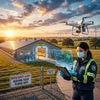
Biosecurity 2.0: The New High-Tech Tools Keeping Texas Flocks Safe from Bird Flu
7 min reading time
7 min reading time
Reading Time: 9 minutes
Protecting your flock in 2026 requires more than just a pair of dedicated "coop boots" and a locked gate. With Highly Pathogenic Avian Influenza (HPAI) becoming a recurring concern across the Lone Star State, especially during peak migratory seasons, the world of poultry management is undergoing a digital revolution. In this guide, we explore Biosecurity 2.0, diving into AI-enabled acoustic monitoring, smart biosurveillance, and non-antibiotic immune support to keep your backyard birds vibrant and healthy. You will learn how to integrate these cutting-edge tools into your daily routine to stay one step ahead of the Central Flyway migration.
For years, biosecurity was a fairly simple checklist: wash your hands, keep visitors out, and maybe dip your shoes in a bleach solution. While those basics are still the foundation of a healthy farm, the reality of Bird Flu (HPAI) has changed the game. Here in Texas, we sit right in the crosshairs of the Central Flyway, a massive aerial highway for millions of migrating ducks, geese, and shorebirds.
When these wild birds fly over our homesteads, they can drop more than just feathers. The virus is hardy, and the stakes are high. That’s why we’re seeing a shift toward Biosecurity 2.0. This isn't about replacing the hard work you do every day; it’s about using technology to act as an early warning system. Think of it like having a 24/7 digital farmhand who never sleeps and has much better hearing than we do!

One of the most exciting breakthroughs in commercial poultry tech that is finally trickling down to the backyard enthusiast is acoustic monitoring. Chickens are incredibly vocal creatures. They have specific sounds for "I found a bug," "I just laid an egg," and even "There’s a hawk nearby!"
But did you know they also have a "sick" sound? Long before a bird looks lethargic or develops a rubbery, swollen comb, their respiratory patterns change.
Bottom Line: Sound-based AI acts as a "smoke detector" for respiratory illness, giving you a head start on biosecurity protocols.
Biosurveillance sounds like something out of a spy movie, but for a Texas poultry owner, it’s just smart management. High-tech cameras and sensors are now being used to track bird movement and identify "hot spots" for potential contamination.
Chickens with a fever often show increased temperatures around their eyes and legs. Thermal-enabled smart cameras can scan your flock and alert your smartphone if a specific bird’s temperature spikes. If you notice a bird looking "puffy" or less active on your monitor, it might be time for an on-site consultation service to evaluate your setup.
Wild birds are the primary carriers of HPAI. High-tech biosecurity now includes laser bird deterrents and AI-driven motion lights. These systems use specific light frequencies to discourage wild waterfowl from landing in your chicken runs without harming them.
To keep your flock contained and wild birds out during the night, many of our neighbors are switching to the premium solar door. It’s a simple piece of tech that ensures your coop is sealed tight the moment the sun goes down, preventing nocturnal wild bird visitors from sharing the coop.

As we move away from traditional antibiotics in poultry care, the focus has shifted to pre-emptive immune support. Science has shown that a bird with a robust gut microbiome is much more resilient against environmental stressors.
Biosecurity 2.0 isn't just about robots; it's about the chemistry of your water and feed. When the migratory birds start circling, we recommend a "proactive" approach to water health:
We know that late spring and early fall are the "danger zones" for HPAI in Wise County. Here is a checklist of how to use 2026 tech to protect your backyard:

Tip: If you’re introducing new birds during a high-risk season, always quarantine them for 30 days. Whether they are production red started pullets or french pearl guineas, a separate space is your best high-tech (and low-tech) defense.
At Wise County Chicken Farm, we’ve seen a lot of changes over the years, but our commitment to the health of your birds stays the same. While the "Biosecurity 2.0" tools, AI, thermal imaging, and smart sensors, might feel like a jump into the future, they are all designed to do one thing: give you peace of mind.
Texas weather and Texas wildlife can be unpredictable, but your biosecurity doesn't have to be. By combining these modern tools with the grit and hard work of a traditional homestead, you’re creating the safest possible environment for your feathered family.
If you’re feeling overwhelmed by the options, or just want to make sure your setup is as secure as it can be, come see us. Whether you’re looking for a chicken starter pack to get off on the right foot or a solar auto door to upgrade your existing coop, we’re here to help you navigate the future of poultry farming.
Disclaimer: The information provided in this blog post is for educational and informational purposes only. We are poultry enthusiasts and suppliers, not licensed veterinarians. While we discuss high-tech tools and non-antibiotic supports, these are not a substitute for professional veterinary advice or diagnosis. If you suspect your flock has HPAI (Bird Flu), please contact the Texas Animal Health Commission or your local veterinarian immediately, as this is a reportable disease.
Stay safe out there, keep those waterers clean, and let’s keep our Texas flocks thriving!
Warmly,
The Family at Wise County Chicken Farm
Your Neighbors in Poultry Excellence


